

The purpose of long-term insurance is to provide financial protection to surviving dependents after the death of an insured. It is prudent to evaluate life insurance needs annually, or after significant life events like marriage, divorce, birth or adoption of a child, and buying a house.
enquiry
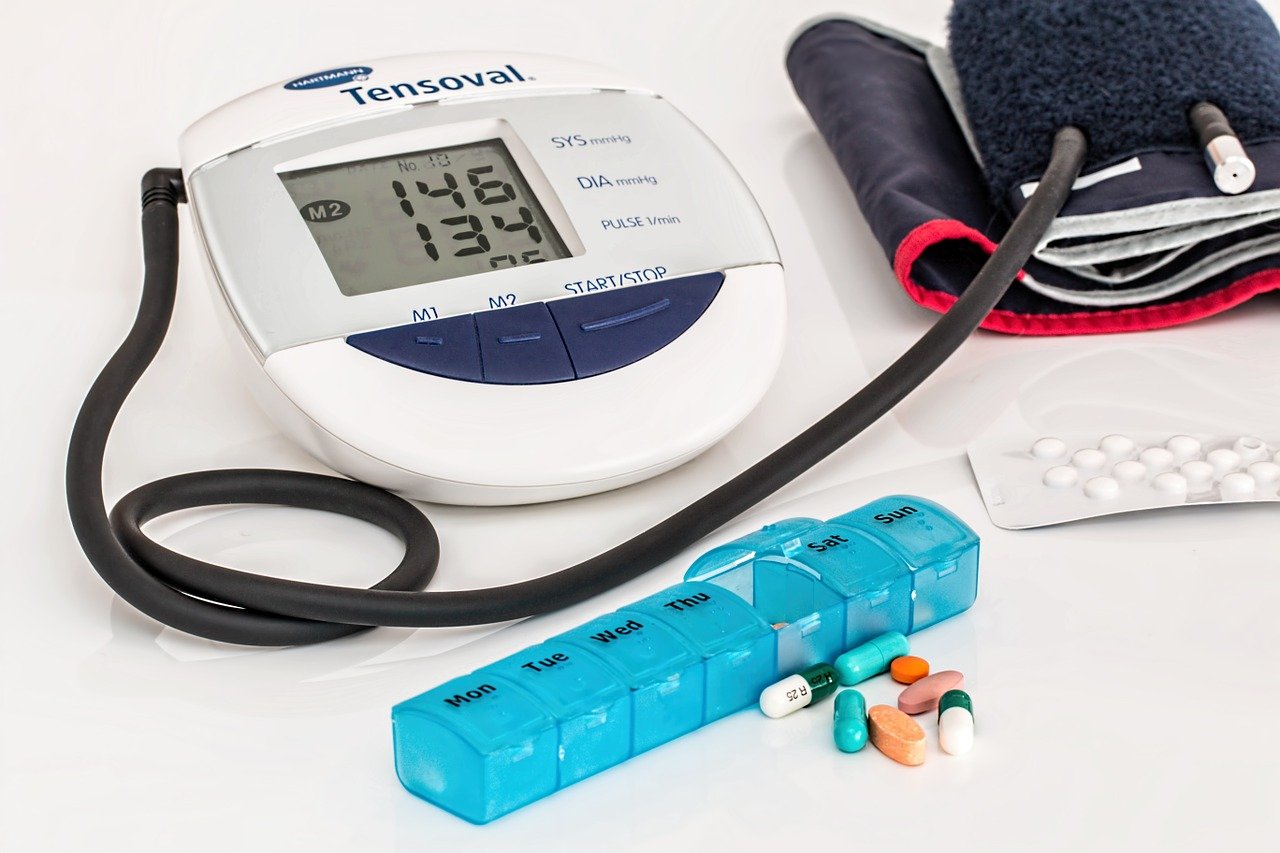








Medical cost inflation in Hong Kong is much
higher than the Consumer Price Index (CPI). If you want to have quality medical
treatment in the future, you should have a medical insurance cover. A
comprehensive medical insurance can reimburse your medical expenses arising
from accident or sickness, and also costs such as medical appliances, targeted
therapy and hormonal therapy etc. You may purchase additional coverage on
labouring and dental treatment for your needs.

Most personal accident insurance pay out lump sum benefits when the insured dies or suffers bodily injury as a result of an accident. They usually exclude death or injury which caused by sickness, disease, any naturally occurring condition or process. A typical personal accident policy lists out specified injuries including death, loss of limb, loss of sight, burns and various specified lesser injuries, with corresponding benefit against each. In addition, personal accident insurance can cover hospital benefit and medical expenses arise from accident.

Medical treatment of dread disease can be
costly. Different from traditional insurance, a critical illness will pay a
lump-sum when the insured is diagnosed with a specified dread disease. This lump-sum
help the insured afford medical treatment and living expenses. Meanwhile, some
critical illness insurance can be claimed multiple times, safeguarding the
insured continuously.

Endowment life insurance is an insurance
product that provides the best of both worlds (premature death protection and
personal savings for the policyowner). Based on your monthly contributions,
you're guaranteed a certain payout, called an endowment, when the policy matures.
It promises a risk-free, guaranteed return on a guaranteed date as long as you
make the fixed monthly payments. Meanwhile, in case the insured dies within the
term, insurer will pay a death benefit to the beneficiary.

Term life insurance is a type of life
insurance policy that provides coverage for a certain period of time, or a
specified "term" of years. It is particularly suited for a temporary
need. If the insured dies during the time period specified in the policy and
the policy is active, or in force, then a death benefit will be paid. Term life
insurance is initially much less expensive when compared to permanent life
insurance. Unlike most types of permanent insurance, term insurance has no cash
value. There is certain term life insurance with feature of refundable premium.

A whole life policy, quite literally,
provides cover that will last the whole of one's life. The face amount is paid
on death whenever that occurs. Having said that, when the life insured reaches the
age at the end of the mortality table that has been used to calculate premiums
for that policy, usually 100, the insurer will pay the face amount, putting an
end to the contract. In addition, whole life policies include a saving
component, which accumulates a cash value that the policyholder can withdraw or
borrow against.

Saving plan is a type of participating
policy that your premium is invested together with premiums of other
with-profits policies. In due time you will qualify for dividends, which are
distributed in three ways: cash dividend, reversionary bonus and terminal
bonus. The return depends on the share of profits made by the With-Profits Fund
that is attributable to the Plan, and the timing of the distribution of these
profits.

Universal life insurance is a variation of the whole life insurance, in an attempt to provide greater choice and flexibility. Policyholders have the flexibility to adjust their premiums (even skip premium payments) and death benefits. The cash value of universal life is high enough such that the policy can act as a collateral to bank for premium financing.

Annuities were designed to be a reliable means of securing a steady cash flow for an individual during their retirement years and to alleviate fears of longevity risk, or outliving one's assets.
Annuities can be structured according to a wide array of details and factors, such as the duration of time that payments from the annuity can be guaranteed to continue. Annuities can be created so that, upon annuitization, payments will continue so long as either the annuitant or their spouse (if survivorship benefit is elected) is alive. Alternatively, annuities can be structured to pay out funds for a fixed amount of time, such as 20 years, regardless of how long the annuitant lives. Furthermore, annuities can begin immediately upon deposit of a lump sum, or they can be structured as deferred benefits.